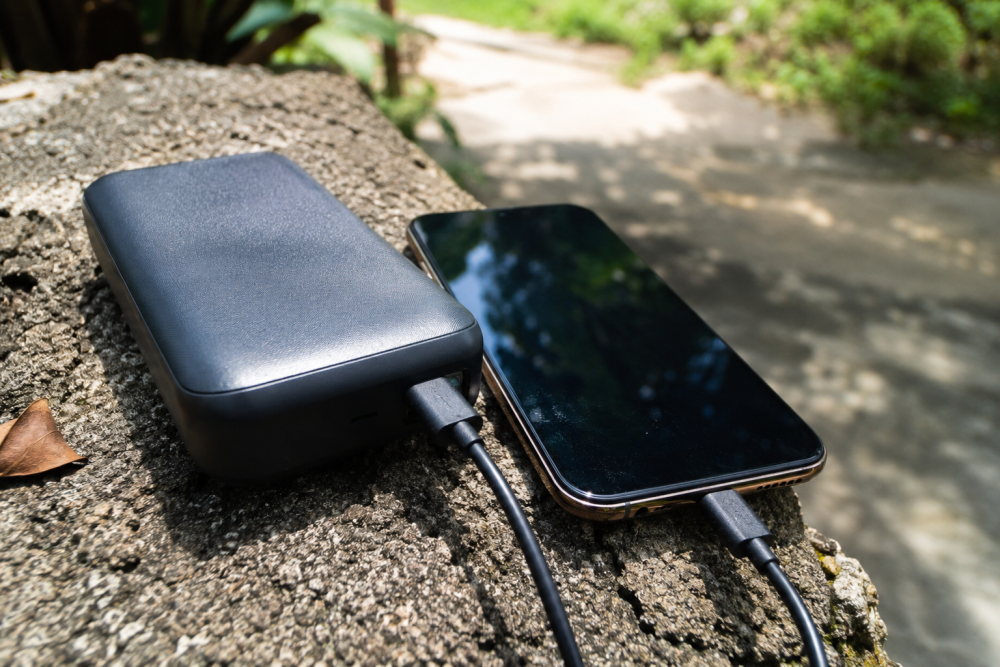

Power banks overheat and charge slower in the Philippines because high temperatures (30–35°C+) and humidity trigger thermal protection systems, reducing charging speed to prevent damage.
Last Updated: May 2026
I see this problem almost every day. Someone buys a good power bank, then a week later says it’s “slow” or “defective”. In most cases, nothing is broken. It’s just reacting to heat.
In the Philippines, you’re dealing with a combination that most global guides ignore: high ambient temperature, humidity, and continuous mobile use. That environment changes how batteries behave. Once you understand that, most of these “issues” become predictable.
Why Power Banks Overheat in the Philippines
This isn’t just about hot weather. It’s about how lithium batteries react under stress.
What usually happens:
- Ambient temperature is already 30–35°C
- You’re using the phone while charging
- The device is inside a bag or pocket
- There’s little to no airflow
Inside every power bank is a Safety IC (Integrated Circuit) that monitors temperature. When heat rises beyond safe levels, it triggers thermal throttling, reducing output to protect the battery.
Modern systems like ActiveShield-type thermal monitoring (used in brands like Anker and UGREEN) check temperature multiple times per second and adjust power delivery in real time.
Result:
- Power bank heats up
- Charging slows down
- Output becomes inconsistent
This directly explains:
- power bank overheating Philippines
- power bank safe in 35 degree heat
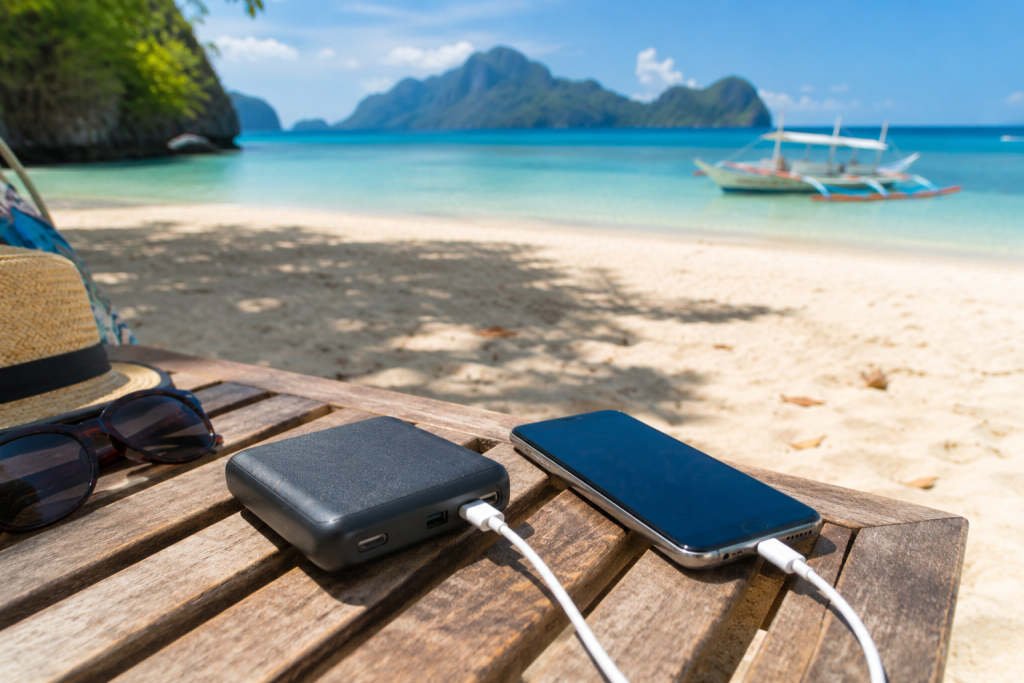
Why Charging Becomes Slow in Heat
This is not a defect, it’s a built-in safety response.
When temperature rises:
- The Safety IC reduces output
- Voltage and current are limited
- Charging speed drops
From what I’ve tested:
- A 30W power bank can drop to 10–15W outdoors
- Charging feels noticeably slower compared to indoor use
This is thermal throttling doing its job.
Battery Drain Is Worse in Philippine Climate
Heat affects both your power bank and your phone.
What I consistently notice:
- Faster battery drain (15–25% increase)
- Higher internal resistance
- More energy lost as heat
That’s why even a fully charged power bank can feel like it runs out faster in real use.
The 30W vs 65W Problem in Hot Weather
This is something most people don’t realize.
Higher wattage sounds better, but in Philippine heat:
- 65W models generate more internal heat
- They throttle faster outdoors
- Output drops more aggressively
In real conditions, I often see:
- 65W → drops quickly to lower speeds
- 30W → stays more stable
For outdoor use in the Philippines, I often prefer a stable 30W power bank over a peak 65W model.
The Safety Factor: DTI-BPS Standards in 2026
This is one of the most important updates right now.
In 2026, the Department of Trade and Industry (DTI), through the Bureau of Philippine Standards (BPS), introduced stricter certification requirements for power banks.
When I buy a power bank in the Philippines, I always check for:
- ICC sticker (Import Commodity Clearance)
- PS mark (Philippine Standard)
If a product doesn’t have these, I avoid it.
Why this matters:
- Certified units must meet safety and thermal protection standards
- Non-certified units are more likely to overheat or fail in hot weather
This is especially critical in a 35°C environment.
Common Mistakes That Make Overheating Worse
These are the most common issues I see:
Charging inside bags or pockets
Heat gets trapped quickly
Using the phone while charging
Adds extra thermal load
Direct sunlight exposure
Temperature rises fast
Cheap cables
Inefficient charging creates more heat
How I Reduce Overheating (Practical Fixes)
Simple habits make a big difference:
- Keep the power bank in shaded areas
- Avoid charging in enclosed spaces
- Let it cool between heavy use
- Use short, high-quality cables
- Charge in ventilated environments
Quick Fix Table
| Problem | What I Do |
|---|---|
| Power bank overheating | Move to shade |
| Charging too slow | Let device cool down |
| Phone drains fast | Reduce brightness + data use |
| Device too hot | Pause charging |
Is It Safe to Use Power Banks in 35°C Heat?
Yes, but with awareness.
Modern power banks include:
- Thermal protection
- Overcurrent protection
- Auto shutdown systems
If your device slows down or stops charging, it’s protecting itself.
Warning (Important for 2026)
If your power bank shows any of these signs:
- Swelling or bloating
- Sweet or metallic smell
- Excessive heat even when idle
Stop using it immediately.
This indicates gas buildup inside the battery and is a serious fire risk, especially in hot climates like the Philippines.
Final Thoughts
Most power bank problems in the Philippines are not defects. They’re the result of using battery devices in a hot, humid environment.
From what I’ve seen, reliability comes down to:
- Choosing certified products (ICC / PS)
- Understanding thermal limits
- Avoiding extreme heat exposure
Once you adjust for these factors, performance becomes much more predictable.

Hi! I focus on power banks, charging systems, and real-world performance — mostly trying to understand why specs don’t always match reality. I enjoy breaking things down in a simple way, even if I overthink them first. In my free time, I hang out with my cat, drink more coffee than I probably should and sometimes forget to charge my phone in time, that is why power banks are my best friends!
Comments are closed!