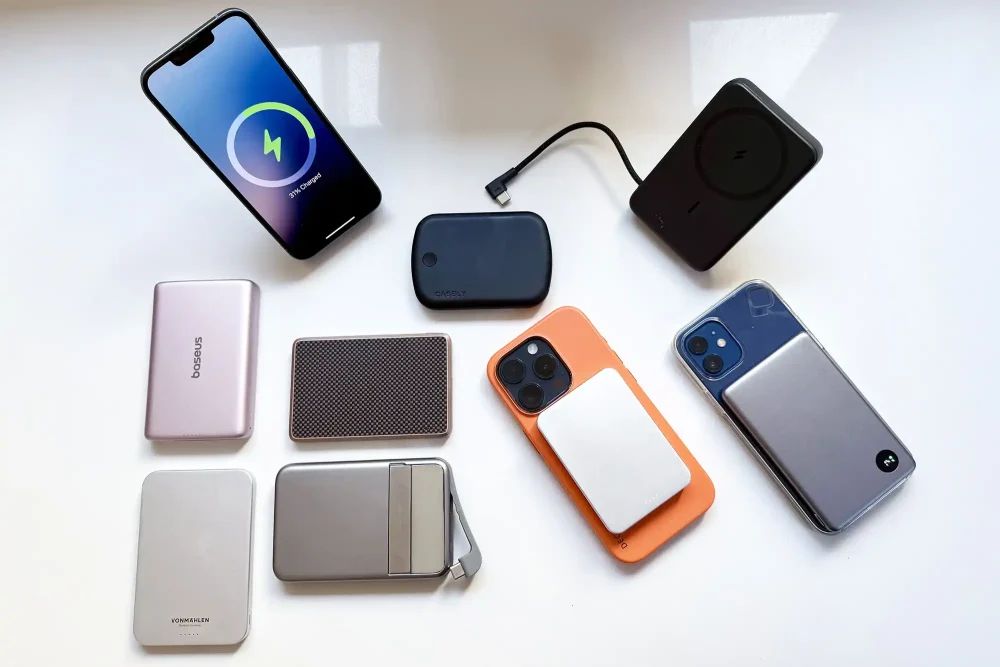

If you want the best power bank for iPhone in 2026, the answer depends on how you actually use your phone. A slim Qi2 magnetic battery is perfect for daily commuting and travel. A 10,000mAh USB-C PD power bank makes more sense for heavy users, creators, travelers, and iPhone Pro Max owners. Meanwhile, older Lightning iPhones still benefit from dual-cable portable chargers.
The biggest mistake people make is buying the wrong type of power bank. Capacity alone no longer matters. In 2026, charging speed, Qi2 support, heat management, portability, airline compliance, and real-world efficiency matter far more.
This guide breaks down the best iPhone power banks based on actual usage scenarios, charging standards, portability, and long-term value. It also explains what most “best power bank” lists still get wrong.
- Best Overall iPhone Power Bank → Iniu SnapGo Air 10K
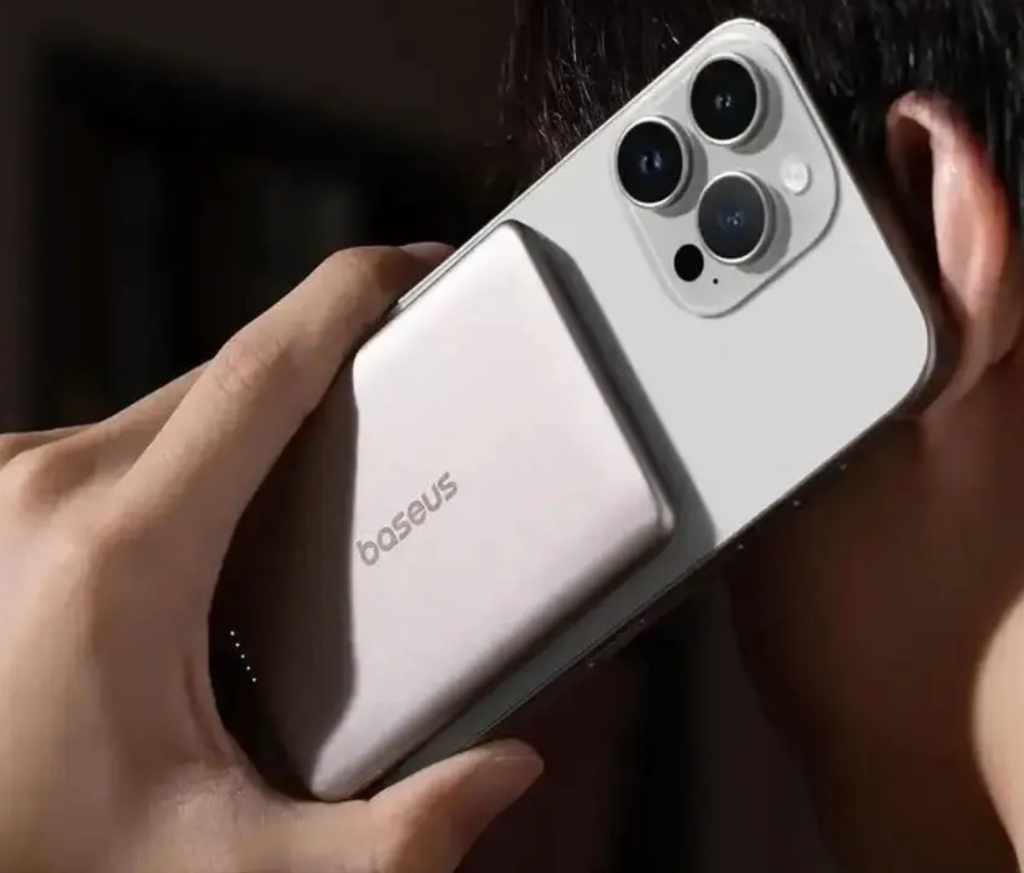
- Best Magnetic Power Bank → Baseus Picogo Qi2 10K
- Best Slim Power Bank → Anker Nano 5K Magnetic Charger
- Best Budget Power Bank → Baseus Picogo 5K
- Best for iPhone 15 / 16 / 17 → Any Qi2 15W or 25W power bank
- Best for Older Lightning iPhones → Anker Zolo Dual-Cable
- Best for Travel → Compact 10,000mAh USB-C PD power bank
- Best for Pro Max Users → 10,000mAh to 20,000mAh Qi2 battery pack
- Best Compact Emergency Charger → Iniu Mini 10K
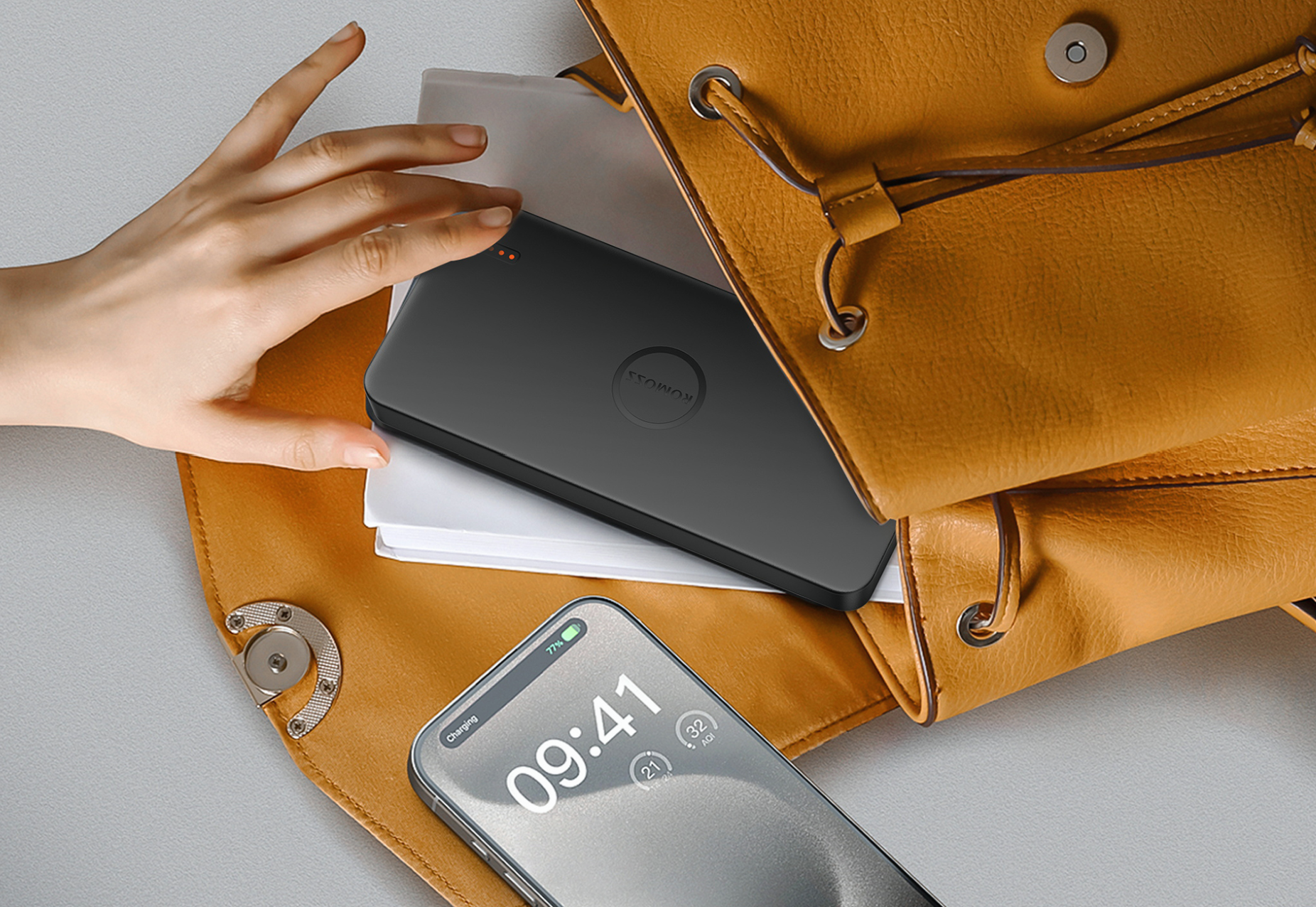
Why Most iPhone Power Banks Feel Disappointing
A lot of cheap portable chargers advertise huge battery numbers but perform badly in real use.
Common problems include:
- weak magnets
- overheating during wireless charging
- fake battery capacity claims
- slow 7.5W charging
- poor USB-C PD implementation
- bulky designs that ruin portability
- unstable pass-through charging
- cheap cells that degrade quickly
The iPhone ecosystem changed significantly after Apple moved from Lightning to USB-C with the iPhone 15 lineup. At the same time, Qi2 became the new standard for magnetic wireless charging.
That completely changed what makes a good power bank in 2026.
What Actually Matters in an iPhone Power Bank
Qi2 Support
Qi2 is now one of the biggest upgrades for iPhone users.
Older magnetic power banks were usually limited to 7.5W wireless charging. Qi2 allows:
- faster wireless charging
- stronger magnetic alignment
- improved charging efficiency
- lower heat generation
- better charging stability
For modern iPhones, Qi2 is no longer a luxury feature. It is becoming the baseline.
The difference between 7.5W and 15W wireless charging is huge in real life.
USB-C Power Delivery
USB-C PD matters even more than raw battery size.
A good USB-C PD power bank can:
- fast charge your iPhone
- charge AirPods
- power an iPad
- recharge a MacBook Air in emergencies
- support pass-through charging
Modern premium portable chargers now commonly support:
- 20W
- 27W
- 30W
- 45W charging
That dramatically reduces charging time compared to older USB-A models.
Capacity: 5,000mAh vs 10,000mAh vs 20,000mAh
5,000mAh
Best for:
- emergency backup
- commuting
- pockets
- minimalists
Usually provides:
- around 70% to 100% of one iPhone charge
Ideal if portability matters most.
10,000mAh
Best balance overall.
Usually enough for:
- 1.5 to 2 full iPhone charges
- travel days
- content creation
- long workdays
This is the sweet spot for most users.
20,000mAh
Best for:
- long flights
- heavy gaming
- creators
- camping
- multiple devices
Downside:
- heavier
- thicker
- less pocketable
Many people buy 20K power banks and later stop carrying them because they are too bulky.
Best Power Bank for iPhone Overall
Iniu SnapGo Air 10K
This is currently one of the most complete iPhone power banks available.
Why it stands out:
- 25W wireless charging
- slim 10,000mAh body
- strong magnetic attachment
- dual USB-C ports
- 45W wired charging
- LED battery display
- relatively good heat management
It works especially well for:
- iPhone 16 Pro users
- Pro Max owners
- travelers
- hybrid wired/wireless charging
Unlike many magnetic batteries, it does not become excessively hot during use. That matters for long-term battery health.
Best Slim Magnetic Power Bank
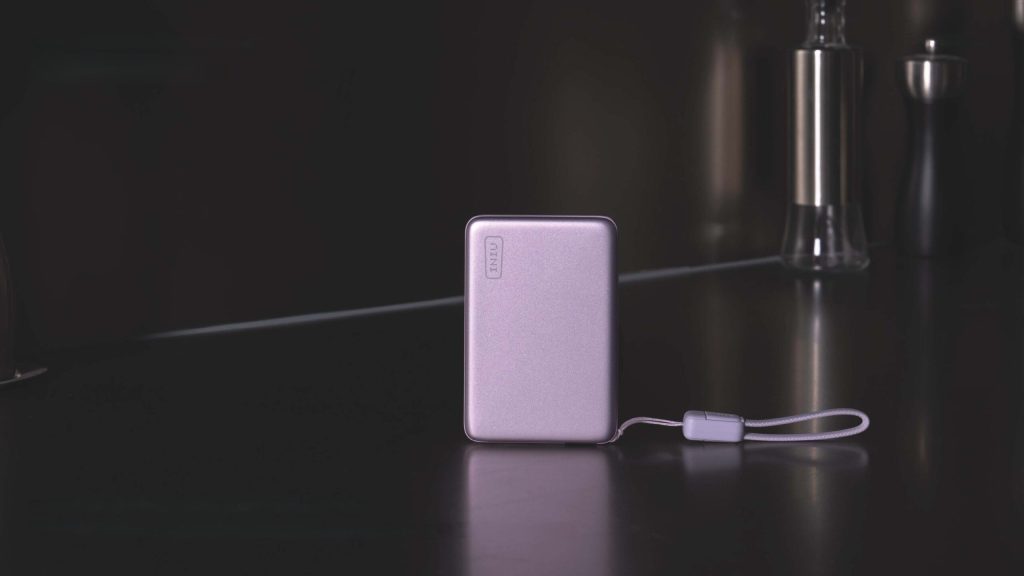
Anker Nano 5K Magnetic Charger
Some people hate bulky battery packs.
This model focuses on portability first.
Key advantages:
- extremely slim
- lightweight
- Qi2 certified
- 15W wireless charging
- strong magnets
- pocket-friendly design
Ideal for:
- commuting
- office use
- coffee shops
- urban travel
- minimalist setups
The tradeoff is capacity. A 5,000mAh battery usually cannot fully recharge a Pro Max model.
Still, for everyday carry, this is one of the cleanest options available.
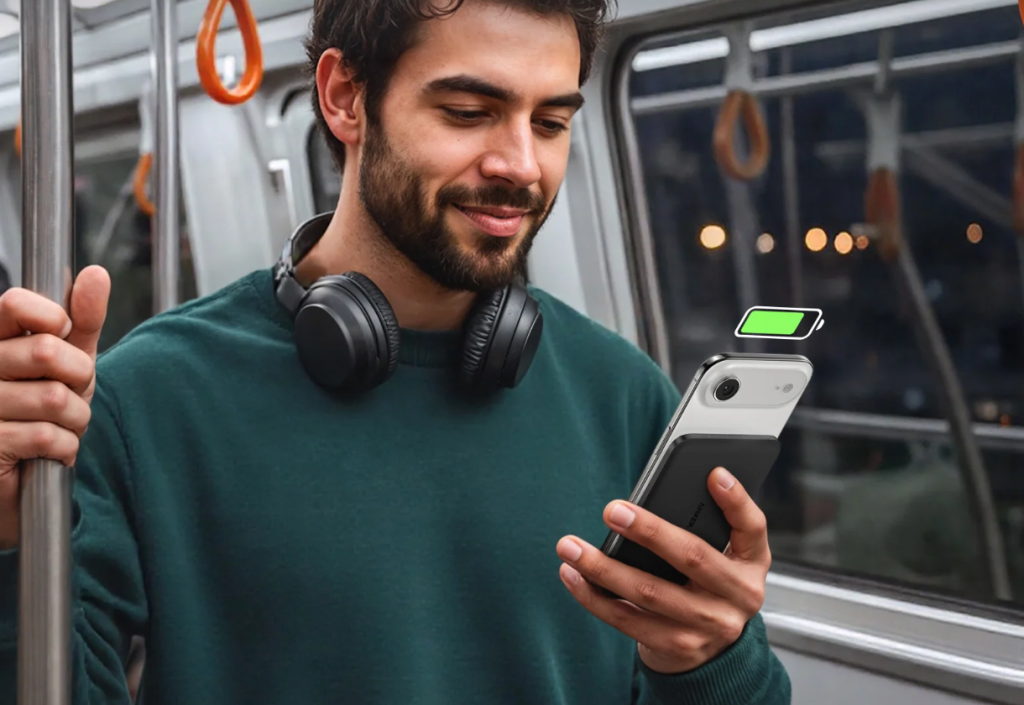
Best Budget Power Bank for iPhone
Baseus Picogo 5K
Not everyone needs premium Qi2 charging.
If you simply want:
- lightweight backup power
- magnetic attachment
- decent portability
- affordable pricing
This model offers strong value.
Main compromise:
- limited to 7.5W wireless charging
Still, many casual users will barely notice the difference during normal daily charging.
This is one of the better cheap power banks that still feels reliable instead of disposable.
Best Power Bank for iPhone 15, 16 and 17
The newer USB-C iPhones benefit heavily from modern charging standards.
Best features to prioritize:
- Qi2 support
- USB-C PD
- 20W+ wired charging
- strong magnets
- thermal management
The newer the iPhone, the more noticeable the difference becomes between outdated magnetic chargers and modern Qi2 batteries.
A poor magnetic charger feels slow immediately on newer iPhones.
Best Power Bank for Older Lightning iPhones
Not everyone upgraded yet.
Millions still use:
- iPhone 14
- iPhone 13
- iPhone 12
- older SE models
For these users, dual-cable portable chargers remain useful.
Best Option
Anker Zolo Dual-Cable Power Bank
Why it works:
- built-in USB-C cable
- built-in Lightning cable
- compact design
- fast charging
- travel-friendly
This avoids carrying extra cables entirely.
Best Magnetic Power Banks for Travel
Travel changes everything.
The best travel power banks need:
- airline compliance
- strong magnets
- efficient charging
- low heat output
- compact form factor
For flights, 10,000mAh remains the ideal size.
Larger batteries become annoying during:
- airport security
- long walking days
- backpacks
- carry-on organization
Most airlines still prefer power banks under 100Wh in carry-on luggage.
For iPhones, that means most 10K and 20K batteries remain safe for flights.
Best Power Bank for iPhone Pro Max Users
Pro Max models consume significantly more power.
Especially during:
- gaming
- video recording
- navigation
- hotspot usage
- TikTok
- Instagram Reels
- editing
- streaming
A tiny 5K battery often feels insufficient.
Recommended:
- 10,000mAh minimum
- Qi2 support
- 27W+ wired charging
Otherwise recharge times become frustrating.
Magnetic vs Wired Charging: Which Is Better?
Magnetic Charging
Better for:
- convenience
- commuting
- quick top-ups
- casual use
Advantages:
- no cable mess
- easy attachment
- portable
- ideal for walking around
Downside:
- slower
- generates more heat
- less efficient
Wired Charging
Better for:
- fastest speeds
- lower heat
- efficiency
- battery longevity
USB-C PD charging remains the fastest and most efficient option.
Many people now use hybrid charging:
- wireless during the day
- wired at night or during travel
That is usually the smartest approach.
Heat Management Is More Important Than Most People Realize
Cheap wireless power banks often become extremely hot.
Excess heat can:
- reduce charging efficiency
- throttle charging speed
- accelerate battery degradation
- shorten lifespan
Premium models now include:
- cooling systems
- aluminum heat dissipation
- thermal control chips
- optimized coil alignment
This is one reason high-quality power banks cost more.
Who Should Avoid Magnetic Power Banks
Magnetic charging is not ideal for everyone.
You may prefer wired charging if you:
- game heavily while charging
- use thick phone cases
- want maximum charging speed
- need laptop charging frequently
- dislike extra heat
For these users, a compact USB-C PD power bank often performs better than magnetic models.
Baseus vs Anker vs Ugreen
Baseus
Best for:
- value
- slim designs
- aggressive pricing
- good feature balance
Usually the best value-for-money option.
Anker
Best for:
- reliability
- premium build quality
- ecosystem consistency
- thermal management
Often more expensive, but usually very polished.
Ugreen
Best for:
- charging efficiency
- thermals
- wired charging accessories
Strong alternative that continues improving quickly.
What to Avoid When Buying a Power Bank for iPhone
Avoid:
- fake 50,000mAh claims
- ultra-cheap no-name brands
- weak magnetic alignment
- outdated USB-A only models
- non-PD charging
- suspicious review manipulation
- power banks without safety certifications
A cheap battery can damage charging performance and create long-term reliability issues.
Do Power Banks Damage iPhone Battery Health?
A quality power bank does not damage your iPhone battery.
The bigger risks come from:
- overheating
- unstable voltage regulation
- poor internal battery cells
- cheap charging controllers
Modern iPhones already manage charging intelligently.
Good power banks simply provide stable power delivery.
The best power bank for iPhone in 2026 is no longer simply the biggest battery.
The best models combine:
- Qi2 wireless charging
- USB-C PD
- efficient thermals
- compact portability
- strong magnets
- real charging speed
For most users, a high-quality 10,000mAh Qi2 power bank is now the ideal choice.
It delivers the best balance between:
- portability
- speed
- convenience
- travel usability
- real-world charging performance
Meanwhile, ultra-cheap generic batteries continue to become a worse investment over time.
As iPhones become more power-hungry and charging standards evolve, quality matters more than ever.

Hi! I focus on power banks, charging systems, and real-world performance — mostly trying to understand why specs don’t always match reality. I enjoy breaking things down in a simple way, even if I overthink them first. In my free time, I hang out with my cat, drink more coffee than I probably should and sometimes forget to charge my phone in time, that is why power banks are my best friends!
Comments are closed!